Important Note Regarding Appointment Availability - Click Here


Most people rarely think about their spleen, until something goes wrong. Tucked under the rib cage on the upper left side of your abdomen, this small organ quietly performs important work every day. In certain medical situations, spleen removal, or splenectomy, can become not just necessary, but life-saving.
While the idea of surgery can be worrying, understanding why a splenectomy may be recommended, how it’s performed, and what life looks like afterward can help patients feel informed and reassured.
Though small, the spleen plays several vital roles in the body:
In short, the spleen is both a filter and a defender. However, it is not essential for survival, which is why its surgical removal is sometimes necessary when it poses a health risk.
A splenectomy is not a common procedure, but it is sometimes critical. The decision depends on the underlying medical condition and the potential risks of leaving the spleen intact.
One of the most urgent reasons for spleen removal is trauma. The spleen is vulnerable to injury from:
A ruptured spleen can cause severe internal bleeding, a life-threatening emergency. Signs may include sudden upper-left abdominal pain, tenderness, dizziness, or fainting. Emergency surgery is often required to prevent significant blood loss.
The spleen can enlarge due to:
A significantly enlarged spleen can begin destroying healthy blood cells or platelets and becomes more prone to rupture. In these situations, a splenectomy may be recommended to reduce complications and protect overall health.
Certain blood conditions may not respond sufficiently to medication, and a splenectomy can help restore balance. Examples include:
Immune Thrombocytopenia (ITP): a disorder causing low platelet counts
Hereditary spherocytosis: a condition leading to abnormal red blood cells
Hemolytic anemia: where red blood cells are destroyed faster than the body can replace them
In these cases, removing the spleen can significantly improve blood counts and prevent related symptoms such as fatigue, bruising, or anemia-related complications.
The spleen can sometimes be affected by cancers like lymphoma or leukemia. If the organ contributes to symptoms such as pain, pressure on other organs, or low blood counts, removal may help reduce complications and support treatment outcomes.
Though less common, cysts, abscesses, or benign tumors may require removal if they cause discomfort, infection risk, or potential rupture.
Some spleen issues may develop silently, but warning signs include:
If a rupture is suspected, immediate medical attention is essential to prevent life-threatening complications.
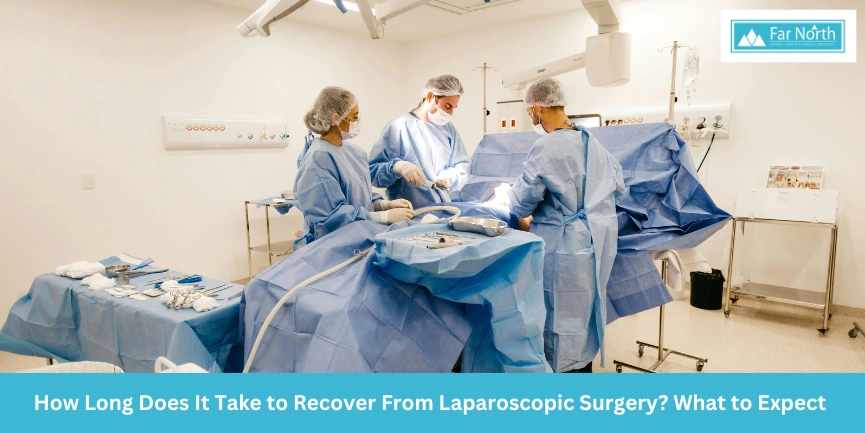
Modern surgical techniques have made surgical removal of the spleen much less invasive than it used to be.
1. Laparoscopic (Minimally Invasive) Splenectomy: Whenever possible, a laparoscopic spleen removal is preferred. This method involves:
Laparoscopic procedures allow many patients to return to normal activity sooner while maintaining safety and effectiveness.
2. Open Splenectomy: In some cases, such as major trauma, a very large spleen, or cancer, an open splenectomy may be necessary. This involves a larger incision and a slightly longer recovery period, but it is sometimes the safest option for complex cases.
Recovery depends on the surgical approach and individual health, but general expectations include:
Life Without a Spleen: The body can adapt to life without a spleen, but there is a slightly increased risk of infections. Preventive steps include:
With these precautions, most people live long, healthy, and active lives after a splenectomy.
Like any surgery, splenectomy carries risks such as bleeding, infection, or complications related to anesthesia. However, not addressing the underlying condition can be far riskier. Careful evaluation by a surgeon ensures that the benefits outweigh the risks.
Consult a medical professional if you experience:
Early evaluation can prevent serious complications and improve outcomes.
The spleen may quietly work behind the scenes, but when it becomes a threat, its removal can be a lifesaving choice. Modern surgical techniques make recovery smoother than ever, and with the right care, vaccinations, and follow-up, life after splenectomy can be vibrant and full. By understanding your options and acting promptly, you can turn a medical challenge into a confident step forward.
When spleen health is at risk, careful evaluation and precise surgical planning are essential. Far North Surgery offers personalized, expert-led care to ensure safe, effective splenectomy and smooth recovery.
If you’re facing a spleen condition or need clarity on your options, contact us today and take the first step toward confident care.
After spleen removal, your body adapts, but vaccinations and preventive care become essential to reduce infection risk while maintaining healthy immune function.
Splenectomy is generally safe when performed by an experienced surgeon, though risks like bleeding or infection exist, and careful evaluation ensures the benefits outweigh potential complications.
Recovery varies, but most patients regain normal activity within several weeks, especially after minimally invasive procedures, with gradual improvement in energy and abdominal comfort.
Life without a spleen is manageable with proper vaccinations, preventive measures, and regular medical follow-up, allowing most individuals to live healthy, active lives.
Laparoscopic splenectomy is often suitable for non-emergency cases, smaller spleens, or elective procedures, offering faster recovery, less pain, and shorter hospital stays.