Important Note Regarding Appointment Availability - Click Here


Acid reflux is something most people experience at some point, often after a heavy meal or late-night snack. For many, it’s occasional and manageable. But for others, it becomes a persistent issue that affects daily life.
While medications and lifestyle changes help in most cases, they don’t work for everyone. In some situations, ongoing or severe symptoms point to a deeper problem that may require surgical care.
Read on to explore when acid reflux moves into a more serious stage and when surgery may become part of the solution.
Acid reflux happens when stomach acid flows back into the esophagus due to a weakened lower esophageal sphincter (LES), a muscle that normally keeps acid where it belongs.
When reflux becomes frequent or long-lasting, it’s known as GERD (gastroesophageal reflux disease).
Common symptoms include:
Not all reflux is a cause for concern, but certain patterns suggest a more serious condition:
When symptoms become frequent and persistent, it may signal the need for severe acid reflux treatment beyond routine care.
Some symptoms indicate that standard treatments may no longer be enough:
These signs suggest that the condition may be progressing and should be evaluated more closely.
Ignoring long-term reflux can lead to structural and cellular changes in the esophagus:
These complications highlight why early and effective management matters.
Surgery isn’t the first step, but it becomes a strong option in specific situations. Doctors may recommend acid reflux surgery when:
In these cases, surgery for GERD addresses the root cause rather than just managing symptoms.
When medications fall short, surgical options focus on correcting the root cause of acid reflux for lasting relief.
1. Fundoplication (Most Common Procedure): This procedure strengthens the LES by wrapping the top part of the stomach around the lower esophagus. It helps prevent acid from flowing backward.
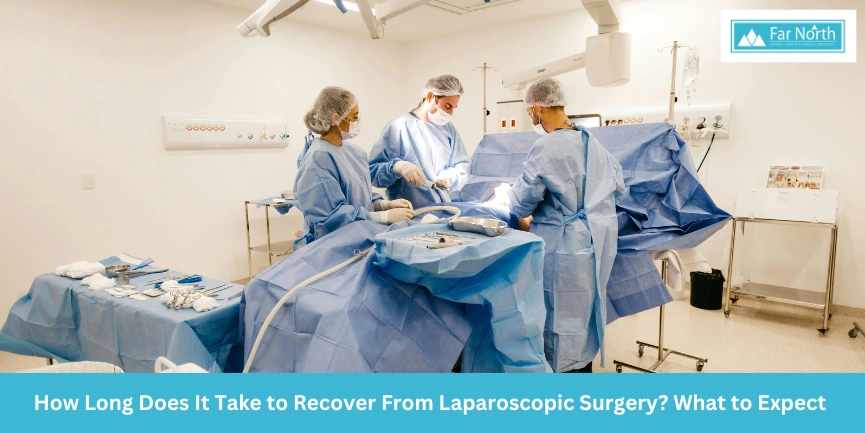
2. Minimally Invasive / Laparoscopic Surgery for Acid Reflux: Many procedures today use a laparoscopic approach, meaning:
3. Hiatal Hernia Repair: If part of the stomach has moved into the chest cavity, it may need to be repositioned and repaired during surgery. This is often done alongside reflux procedures.
For the right candidate, surgery can offer:
Recovery varies, but most people can expect:
Long-term outcomes are generally positive, especially when the procedure is carefully matched to the patient’s condition.
Both approaches have their place.
Medication works well for mild to moderate symptoms and offers quick relief. However, it doesn’t fix the underlying mechanical issue.
Surgery, on the other hand, aims to correct the cause of reflux. It may be a better option when symptoms persist despite treatment or when complications develop.
The right choice depends on symptom severity, overall health, and personal preferences. A detailed evaluation helps guide this decision.
Consider consulting a specialist if you experience:
Early consultation can prevent complications and open the door to more effective solutions.
Not every case of acid reflux requires surgery, but some do. When symptoms become frequent, resistant to medication, or lead to complications, it’s time to look beyond routine care.
Getting the right evaluation at the right time can make a significant difference in both comfort and long-term health.
Ongoing reflux symptoms can disrupt daily life and lead to serious complications if left unaddressed. At Far North Surgery, comprehensive evaluation and advanced surgical options are available to treat the root cause of GERD, not just the symptoms.
Contact us today and take the first step toward long-term relief and better digestive health.
If symptoms occur frequently, disrupt sleep, or don’t improve with medication, it may be considered serious and worth evaluating further.
Surgery is currently the most effective way to correct the underlying issue, but it’s not necessary for everyone.
Most patients experience significant symptom relief, especially when properly selected for the procedure.
Many people return to normal activities within 2–4 weeks, depending on the procedure and overall health.
In some cases, symptoms can return over time, but many patients experience long-term relief.