loader

Gallbladder Removal Recovery: Dos and Don’ts

Gallbladder Removal Recovery

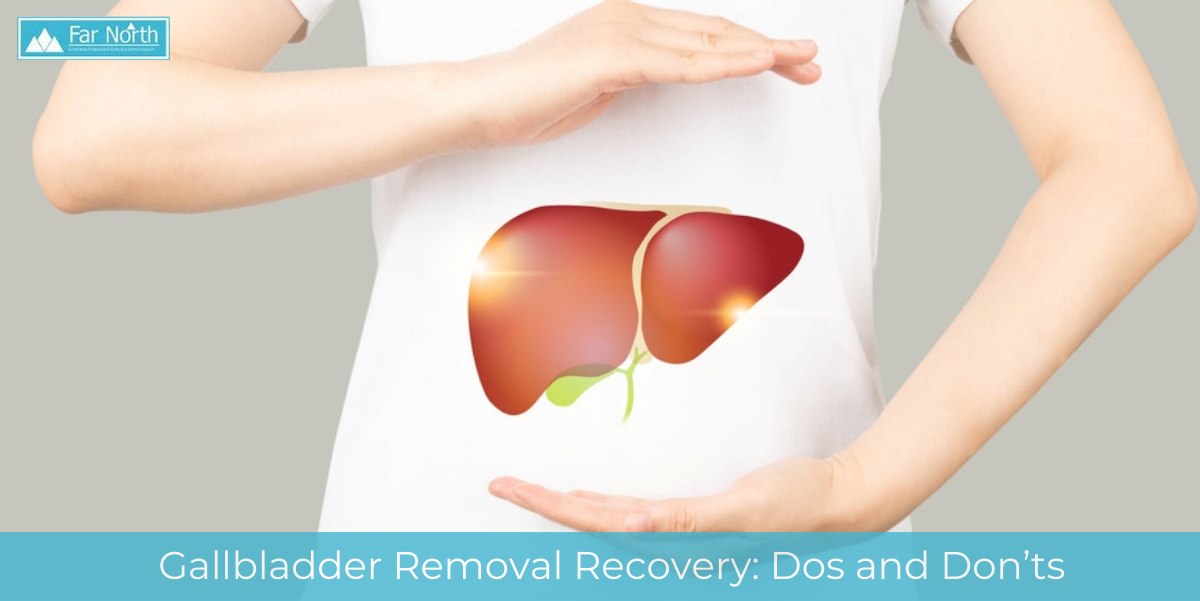
Gallbladder removal surgery, or cholecystectomy, is a routine procedure performed to address gallstones and other gallbladder-related problems. This surgery involves removing the gallbladder, a tiny organ situated beneath the liver that stores bile and aids in the digestion of fats. While the surgery itself is relatively routine, post-surgery care is essential to guarantee a smooth recovery and to adapt to the following changes in digestion. Understanding the dos and don'ts after gallbladder removal can significantly enhance your recovery experience and help you maintain a healthy lifestyle post-surgery.

Read on to learn more about gallbladder recovery time, the digestive changes that can occur, and the dos and don'ts after gallbladder removal.

Understanding Gallbladder Recovery Time

The timeline for recovery after gallbladder removal surgery varies from person to person, but most patients gradually improve over several weeks. In general, gallbladder removal recovery time ranges from 4 to 6 weeks, depending on the type of surgery and overall health.

Here's a typical recovery timeline:

  • First Few Days: You might experience pain and discomfort around the incision site.
  • First Week: Gradual return to light activities. Most people can resume work within a week, depending on the nature of their job.
  • Weeks 2-4: You should start feeling better, with most discomfort subsiding. However, it's essential to avoid strenuous activities.
  • Week 4-6: By this time, you can return to your regular activities, including exercise, but it's crucial to follow your doctor's advice on what activities are safe to resume.

Proper rest, hydration, and mindful eating after gallbladder removal can help support a smoother recovery process. 

See also: What You Should Know About Gallbladder Removal Treatment

What Digestive Changes Can Occur?

After surgery, your digestive system adjusts to the continuous flow of bile directly from the liver into the intestines. During recovery after gallbladder removal, patients may notice several temporary digestive changes, including:

  • Bloating and Gas: Bile flows directly from the liver to the small intestine without the gallbladder, leading to increased bloating and gas.
  • Diarrhea and Bowel Movements: Some patients may experience diarrhea or more frequent bowel movements. These changes in bowel movements are usually temporary and improve as the body adapts.
  • Changes in Fat Digestion: The absence of the gallbladder can affect the digestion of fats, leading to discomfort or indigestion when consuming fatty foods.
  • Increased Bile Acidity: Continuous bile flow can increase acidity in the intestines, potentially causing irritation or mild diarrhea.
  • Food Sensitivities: You might develop sensitivities to certain foods, especially those high in fat, spicy foods, or dairy products.

Understanding these digestive adjustments can make gallstones removal recovery easier and help patients adapt more comfortably over time. While these changes can be challenging, most people adjust well over time with the proper dietary modifications and lifestyle adjustments.

Dos After Gallbladder Removal

Here are some important recommendations to support healing and improve recovery after gallbladder removal:

  • Prioritize Rest: Get plenty of rest in the initial days following surgery to allow your body to heal during the early stages of gallbladder removal recovery time.
  • Start Slow with Activity: Gradually increase physical activity as tolerated. Walking is an excellent way to promote recovery and prevent blood clots.
  • Maintain a Healthy Diet: Focus on a well-balanced diet that is low in fat and rich in fruits, vegetables, and whole grains. This helps your body adjust to the continuous flow of bile. Choosing the right post surgery food can reduce digestive discomfort and improve healing. Need help planning meals? Here’s what you can eat when your gallbladder is acting up.
  • Eat Smaller, More Frequent Meals: Rather than having three large meals, consider five to six smaller meals spread throughout the day. This supports easier digestion while eating after gallbladder removal.
  • Stay Hydrated: Drinking enough water helps reduce constipation and supports digestion during gallstones removal recovery.
  • Take Medications as Prescribed: Follow your doctor's instructions regarding pain and other prescribed medications.

Don'ts After Gallbladder Removal

Be aware of these don'ts to minimize complications and promote a smooth recovery:

  • Lifting Heavy Objects: To prevent strain on your incision site, avoid strenuous activity and lifting heavy objects (over 10 pounds) for at least two weeks.
  • Returning to Work Too Soon: Give your body adequate time to heal before resuming work, especially if your job involves physical exertion.
  • Fatty and Greasy Foods: Foods high in fat are among the most common foods that cause indigestion after gallbladder surgery. Fried foods, creamy sauces, and greasy meals may worsen bloating or diarrhea. See the full list of foods to avoid with gallbladder problems.
  • Spicy Foods: Consuming spicy foods may irritate your digestive system, especially in the initial weeks after surgery. Consider introducing them gradually and in moderation. Some spicy or fatty foods may surprise you—learn what to skip for a smoother recovery.
  • Smoking and Alcohol: Smoking has the potential to slow down the healing process, and alcohol can irritate your digestive system. It's best to avoid both during recovery.
  • Ignoring Warning Signs: Be mindful of your body and seek immediate medical attention if you experience persistent fever, severe pain, excessive bleeding, or difficulty breathing.

Frequently Asked Questions About Gallbladder Removal Recovery

1. What can I eat after gallbladder removal?

After gallbladder surgery, it's best to eat a low-fat, high-fiber diet. Focus on fruits, vegetables, whole grains, and lean proteins. Smaller, more frequent meals can also help your body adjust to the new way bile is delivered to your digestive system.

For a detailed list of foods and a sample meal plan, visit our blog:What Can You Eat When Your Gallbladder Is Acting Up?

2. Which foods should I avoid after gallbladder removal?

Avoid fatty, fried, and greasy foods, as they can cause indigestion or diarrhea. Also, limit spicy dishes, alcohol, and high-sugar foods to reduce digestive stress.

Find a comprehensive list of trigger foods in our blog: Foods to Avoid with Gallbladder Problems

3. How long does recovery take after gallbladder removal?

Recovery time can vary depending on the type of surgery. Most patients recover from laparoscopic gallbladder removal within 1 to 2 weeks, while open surgery may require 4 to 6 weeks of healing. Factors like your age, activity level, and overall health can also affect the timeline.

To learn more about the procedure and recovery expectations, visit our blog: What You Should Know About Gallbladder Removal Treatment

4. Is it normal to have digestive issues after surgery?

Yes. Temporary bloating, diarrhea, and changes in bowel movements are common during recovery after gallbladder removal and usually improve over time with dietary adjustments.

Learn more about gallbladder-related symptoms in our FAQ blog: 10 Commonly Asked Questions About Gallbladder and Gallstones

5. When should I contact a doctor during recovery?

Contact your doctor if you experience severe pain, fever, heavy bleeding, worsening digestive symptoms, or persistent vomiting during gallstones removal recovery.

Final Takeaway

Recovering from gallbladder surgery takes time, patience, and proper care. Following dietary recommendations, choosing appropriate post surgery food, and gradually returning to activity can improve comfort and support long-term digestive health. Most patients adjust well over time and experience significant improvement once recovery after gallbladder removal is complete. It is important to consult with your healthcare provider for personalized post-surgical care instructions and to address any specific problems you might have. 

Experience a Smoother Recovery After Gallbladder Surgery at Far North Surgery

If you are recovering from gallbladder removal surgery and need personalized care or advice, our expert team at Far North Surgery in Anchorage, Alaska is here to help. We provide comprehensive post-surgical support to ensure a swift and healthy recovery. 

Contact us today for the best available treatment options and support.

Contact us Call Now
What Are the First Signs of a Bad Gallbladder?
What Patients Should Know About Pre-Surgical Evaluations and Surgical Clearance
Smoking & Surgery: What Happens If You Smoke Before or After a Procedure
7 Warning Signs of Complications After Surgery You Shouldn’t Ignore
When Does Acid Reflux Turn Into a Surgical Problem?