Important Note Regarding Appointment Availability - Click Here


A pounding headache arrives out of nowhere. Within minutes, your heart is racing, your shirt is soaked with sweat, and a wave of dread washes over you for no clear reason. Then it fades, and you wonder if it was stress, caffeine, or something else.
When these spells repeat, especially alongside blood pressure that is hard to control, one rare possibility deserves a closer look. Pheochromocytoma symptoms often mimic far more common conditions, which is why the cause can go unrecognized for a long time.
Understanding the pattern helps you decide when to ask for specific testing.
A pheochromocytoma is a rare tumor that forms in the adrenal glands, the two small glands that sit above the kidneys. These glands normally release adrenaline and related hormones in short bursts during stress. A pheochromocytoma can release those hormones at the wrong times and in excess.
The condition is uncommon. It is found in roughly 0.2% to 0.6% of people with high blood pressure, based on clinical reference data on pheochromocytoma. Similar tumors can also form outside the adrenal glands, where they are called paragangliomas.
Many adrenal growths are not hormone-producing tumors at all. Most are adrenal adenomas, which usually behave very differently. Sorting one from the other is a central part of endocrine surgery evaluation.
The hallmark of this tumor is the spell, a sudden surge of symptoms that comes and goes. Common features include:
Spells can be set off by physical strain, emotional stress, changes in posture, or anesthesia. Blood pressure often climbs sharply during an episode. About 45% of patients have blood pressure that rises in episodes rather than staying high all the time.
Because spells are brief and unpredictable, describing the pattern matters as much as any single reading.
Panic attacks, menopause, and an overactive thyroid can all cause sweating, palpitations, and shakiness, so a pheochromocytoma is easy to miss. The differences can be subtle but worth noting.
Spells from this tumor may arrive without any emotional trigger, may include a pounding headache, and can come with very high blood pressure readings. Blood pressure can also be difficult to bring under control with usual treatment.
Keeping a simple log helps. Record the date, the symptoms, and any home blood pressure reading taken during an episode.
That record gives a physician concrete information to work with, so share it with your primary care physician at the next visit. A normal reading between spells does not rule the tumor out.
Testing happens in two steps: hormone levels first, then imaging. A blood test for plasma free metanephrines is the preferred first screen, because it measures breakdown products of adrenaline-type hormones that are steadier than the hormones themselves. A 24-hour urine collection is another option.
Some medications can cause false elevations, so tell the care team about everything you take. If hormone levels are high, a CT or MRI scan locates the tumor.
Genetic testing is also recommended for people diagnosed with this tumor, because inherited forms exist and results can guide follow-up and family screening.
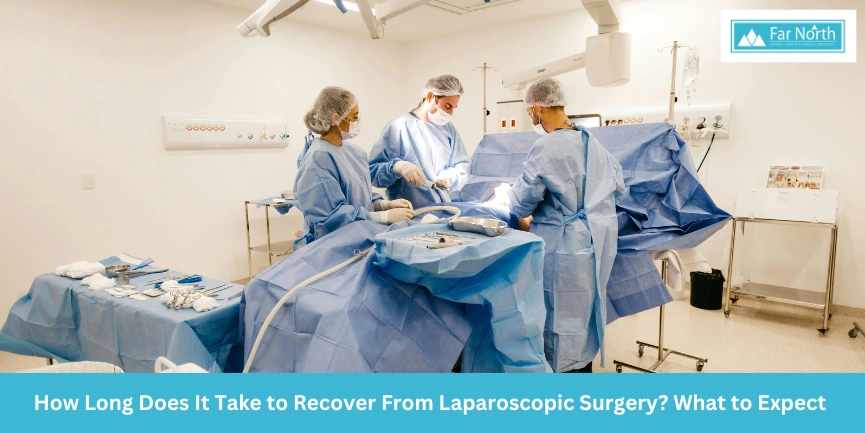
Removing the tumor is the main treatment, and many can be taken out with minimally invasive surgery. The operation is not the first step, though. The tumor can release a surge of hormones when handled or when anesthesia begins, so blood pressure must be controlled beforehand.
Patients typically start specific blood pressure medications first, often about two weeks before surgery, so the body can adjust safely. Fluid and salt intake may also be adjusted under medical direction.
This preparation protects the heart and blood vessels during the operation. Reviewing the steps before an operation also helps patients and families plan time off work and travel, which matters for people coming to Anchorage from elsewhere in Alaska.
Follow-up matters afterward. Blood pressure often improves once the tumor is gone, and periodic blood tests help confirm that hormone levels stay normal, particularly because some tumors can return. When both adrenal glands are involved, as in certain inherited syndromes, hormone replacement may be needed to prevent adrenal insufficiency.
Repeated spells of pounding headache, sweating, and a racing heart are not something to dismiss, especially when blood pressure is also hard to control. Pheochromocytoma is rare, and most such symptoms have more common explanations, but a simple blood or urine test can answer the question.
Testing, imaging, and careful preparation lead to safe removal and often relief from symptoms. Asking early means answers arrive sooner, and treatment can begin with a clear plan.
If these spells sound familiar, Far North Surgery in Anchorage can help you understand the next step, including whether testing makes sense. Contact us to schedule a consultation.
Most are not cancerous. A small number can spread to other parts of the body, which is one reason genetic testing, careful imaging, and long-term follow-up are part of care. A specialist can explain what the results mean for your situation.
Not usually. The tumor is found in only a small fraction of people with high blood pressure. Spells of headache, sweating, and a racing heart, or blood pressure that is hard to control, are the patterns that raise the question and justify discussing testing with a physician.
Current expert guidance recommends genetic testing for people diagnosed with this tumor. Inherited forms exist, and results can shape follow-up, the search for other related tumors, and screening for relatives.
Surgery to remove the tumor is the treatment of choice. Medications are used beforehand to control blood pressure and prepare the body, but they do not remove the tumor. A surgeon outlines the approach based on tumor size, location, and overall health.